701D Hogan Road, I-65 Southbound
The Hamburglar Comes Down
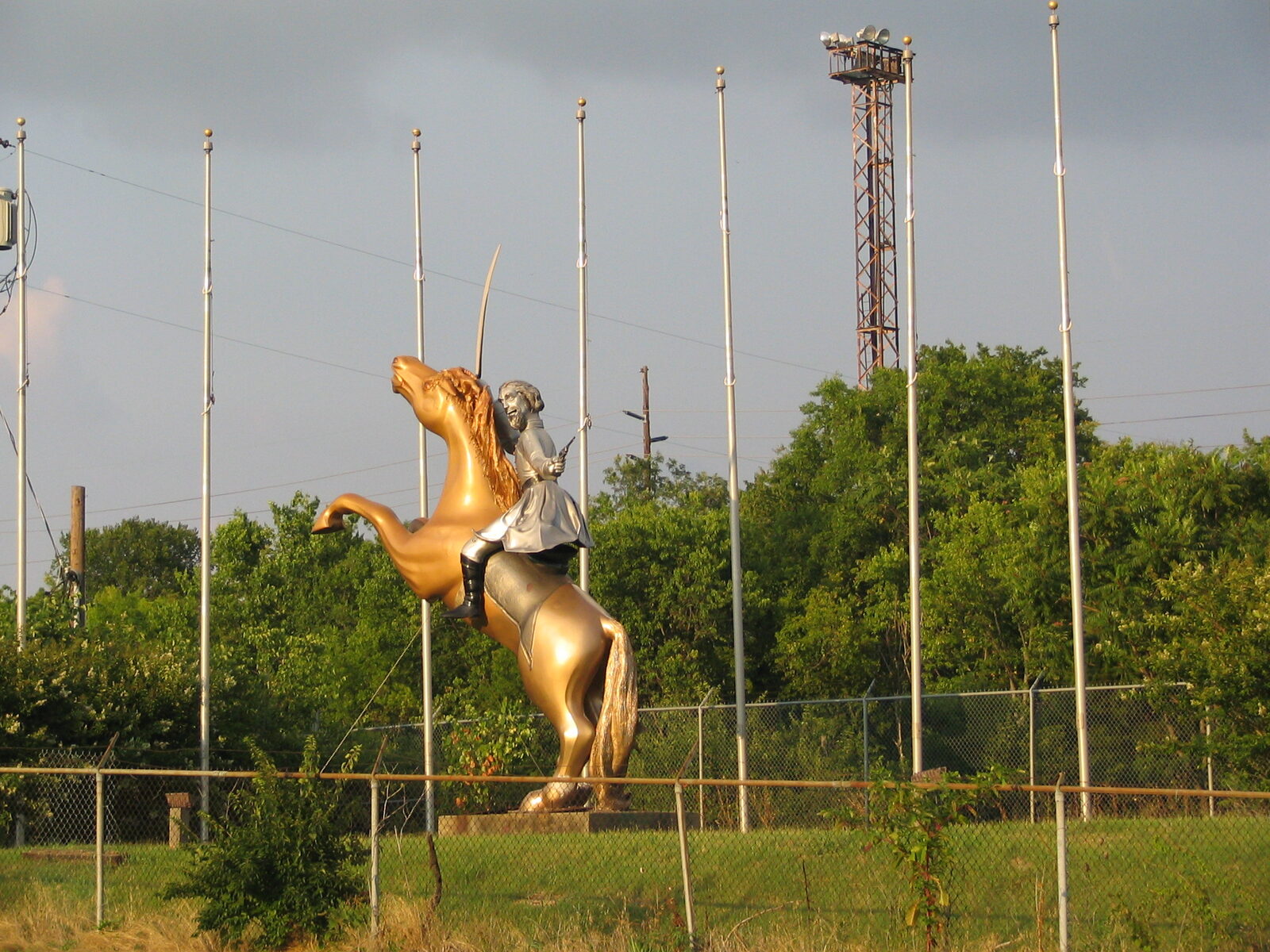
Bill Dorris died and left $5 million to his border collie. He left the statue to the Battle of Nashville Trust. They called it ugly and took it down.
Read →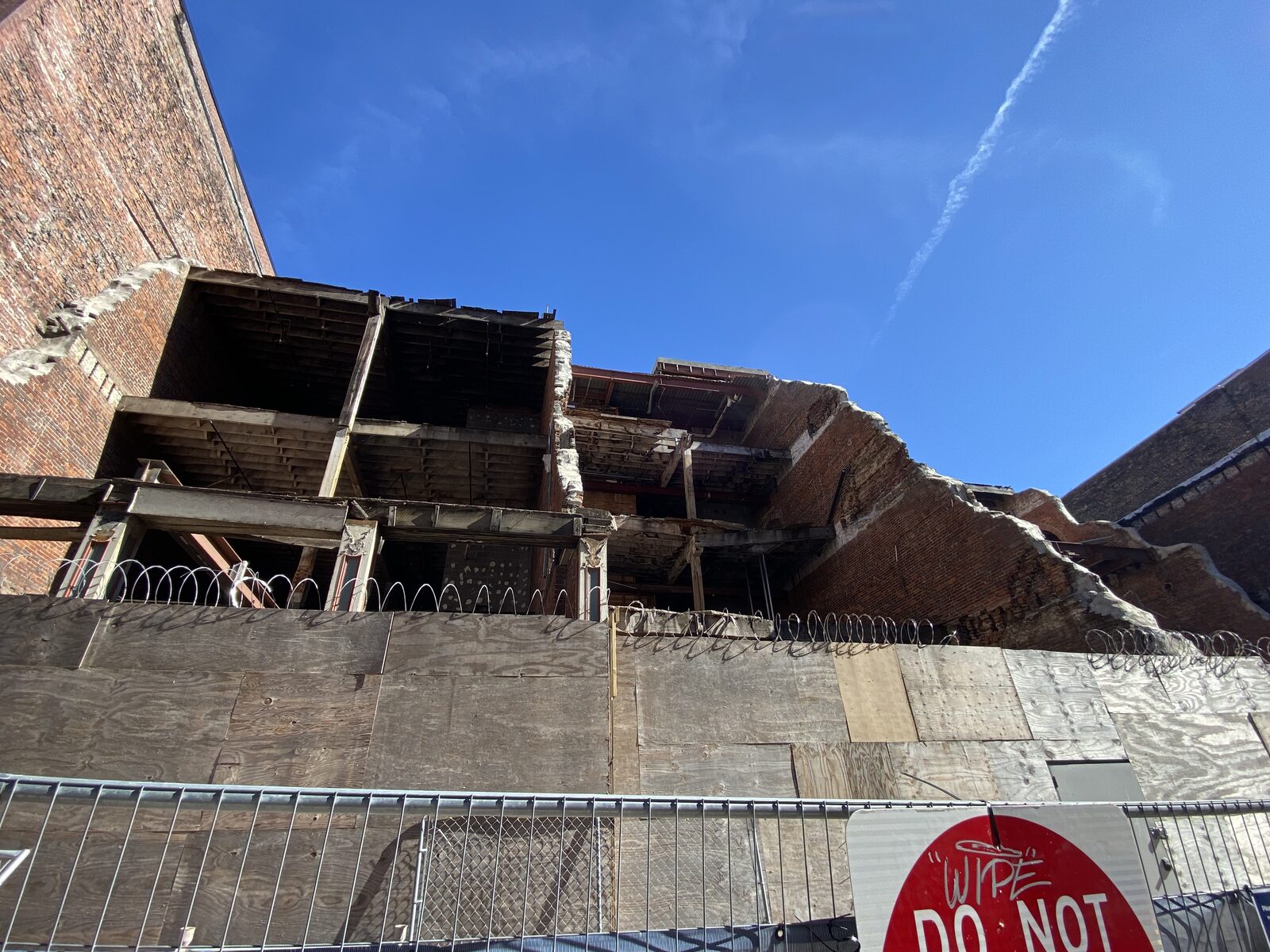
166 Second Avenue North
The Christmas Day Bombing on 2nd Avenue
At 6:30 on Christmas morning, an RV parked on 2nd Avenue exploded. Before it did, it played a recorded warning telling everyone to evacuate, then Petula Clark's 'Downtown.' Six officers ran toward it.
Read →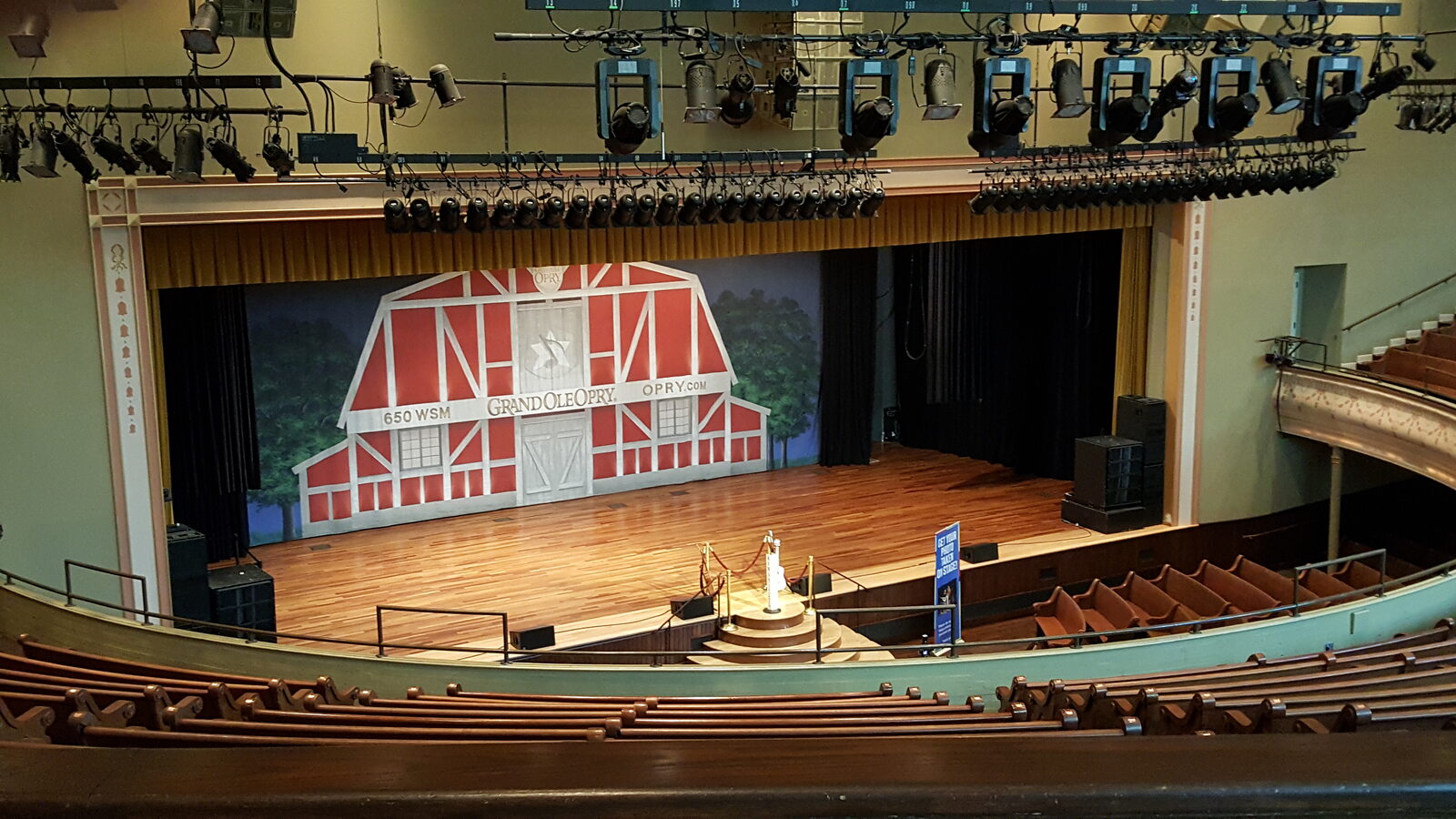
Ryman Auditorium
Ryan Adams Plays 'Summer of '69' at the Ryman
Thirteen years after he threw a heckler out of the Ryman for requesting it, Ryan Adams came back to the same stage and played Bryan Adams' 'Summer of '69.' Straight. No irony. The only apology that could work.
Read →
Davidson County Chancery Court, Nashville
The Painting That Leaves Town Every Two Years
Georgia O'Keeffe gave Fisk University 101 masterpieces with one condition: never sell them. Sixty years later, Fisk was broke and the Waltons wanted the paintings. A Tennessee court rewrote the dead woman's wishes, and now the Radiator Building splits its time between Nashville and Bentonville, Arkansas.
Read →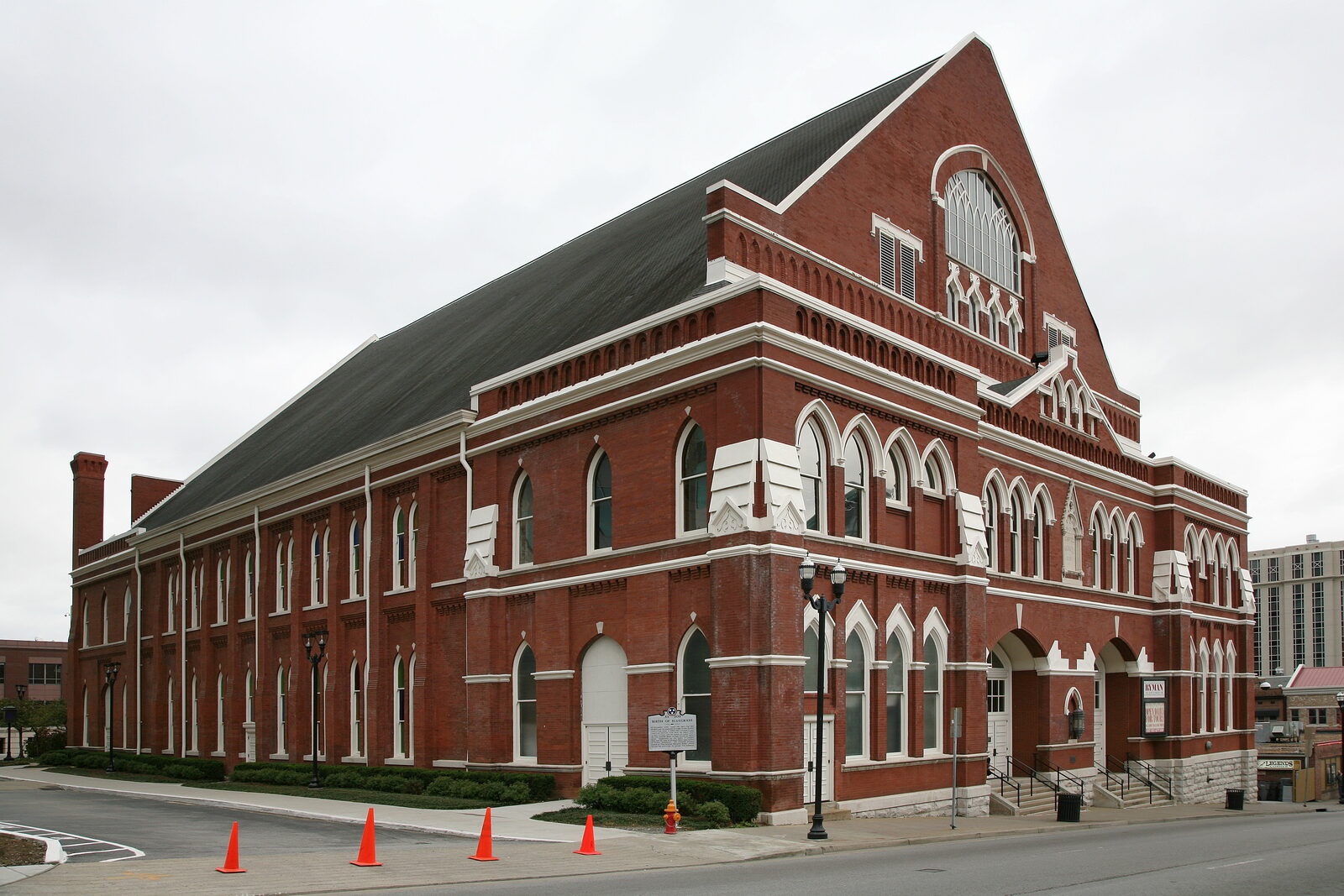
Ryman Auditorium
Ryan Adams Stops the Show at the Ryman
A solo acoustic show at the Mother Church. A drunk heckler who wouldn't stop yelling 'Summer of '69.' Ryan Adams stopped the show, turned on the house lights, handed the guy $40, and had him thrown out.
Read →701D Hogan Road, I-65 Southbound
The Hamburglar Appears on I-65
A 25-foot polyurethane statue of Nathan Bedford Forrest, sculpted with a butcher knife by an amateur artist who represented James Earl Ray, was unveiled on private land alongside Interstate 65. It looked like a McDonald's playground character riding a carousel horse.
Read →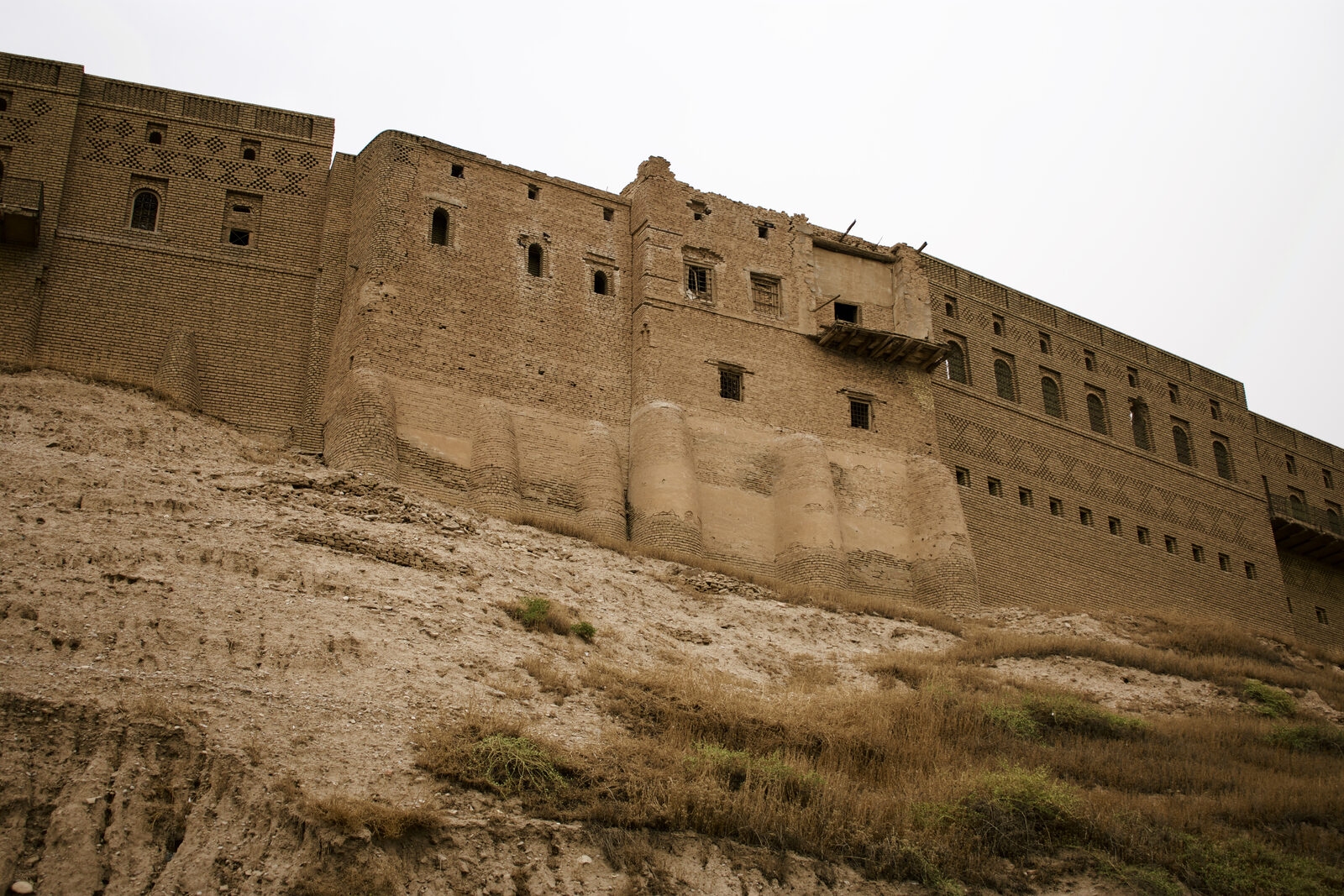
Nolensville Pike, South Nashville
The Man Who Read National Geographic
In 1976, a man at Catholic Charities in Nashville got a phone call asking if he could resettle some Kurdish refugees. He didn't know what a Kurd was. He read National Geographic to prepare. Fifty years later, Nashville has the largest Kurdish population in America, the hills of Middle Tennessee remind them of home, and Erbil and Nashville are sister cities.
Read →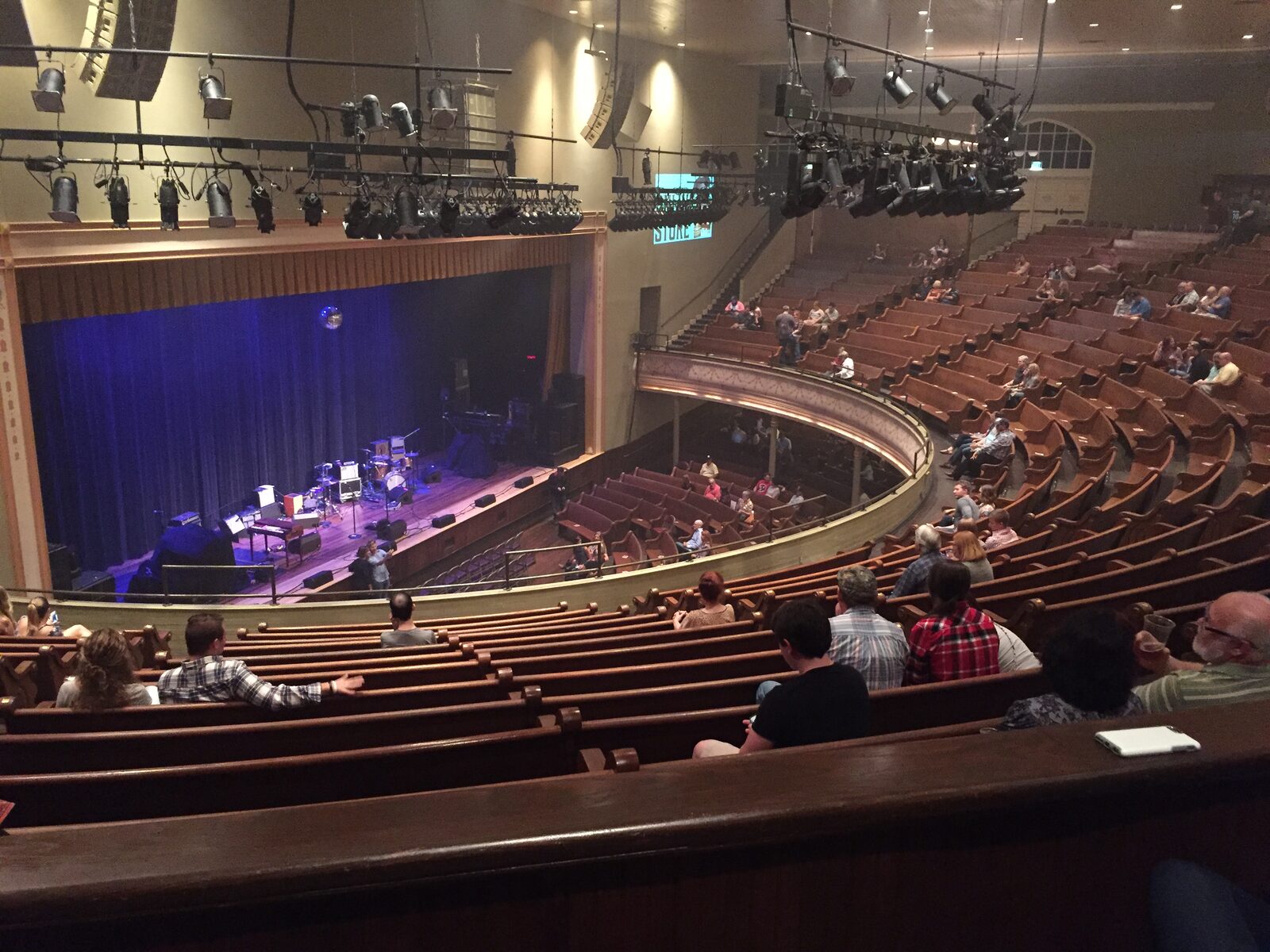
Ryman Auditorium / Baker Station Road, Ridgetop, Tennessee
The Last Night of Stringbean
On the night of November 10, 1973, Stringbean Akeman played the Grand Ole Opry for the last time. Two cousins were waiting at his cabin in Ridgetop, listening to his set on the radio so they'd know when he was coming home. They killed him and his wife Estelle for a fortune that didn't exist — while missing the one that did.
Read →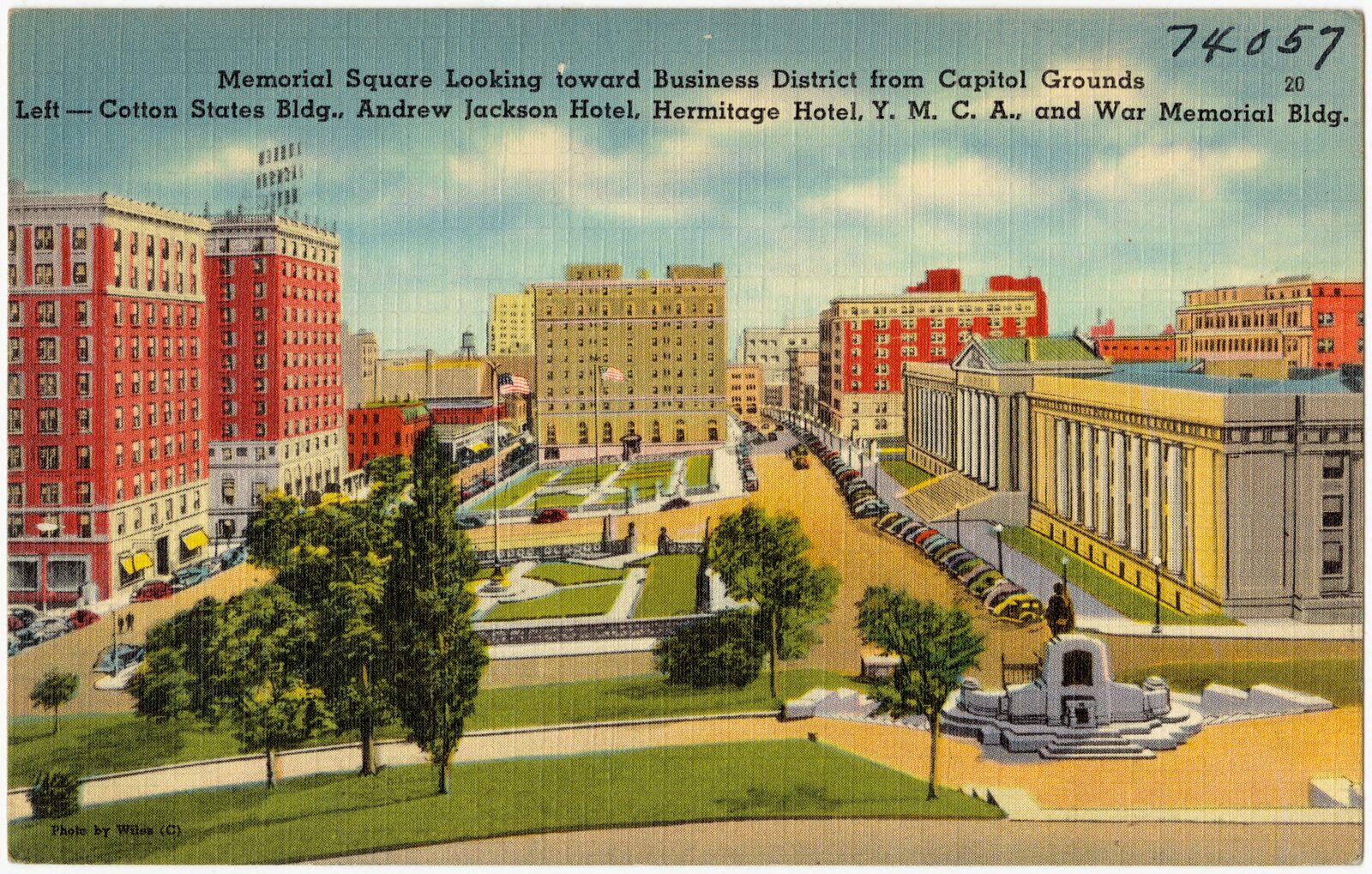
U.S. Courthouse, 801 Broadway / Andrew Jackson Hotel, Nashville
Jimmy Hoffa Comes to Nashville
In the fall of 1962, the most powerful labor boss in America checked into the Andrew Jackson Hotel and turned the seventh floor into a Teamsters command post. Robert Kennedy sent his best prosecutor to the federal courthouse on Broadway to take him down. What happened over the next nine weeks involved a pellet gun, a planted informant, an attempted jury fix, and the downfall of the Nashville lawyer who'd just argued Baker v. Carr before the Supreme Court.
Read →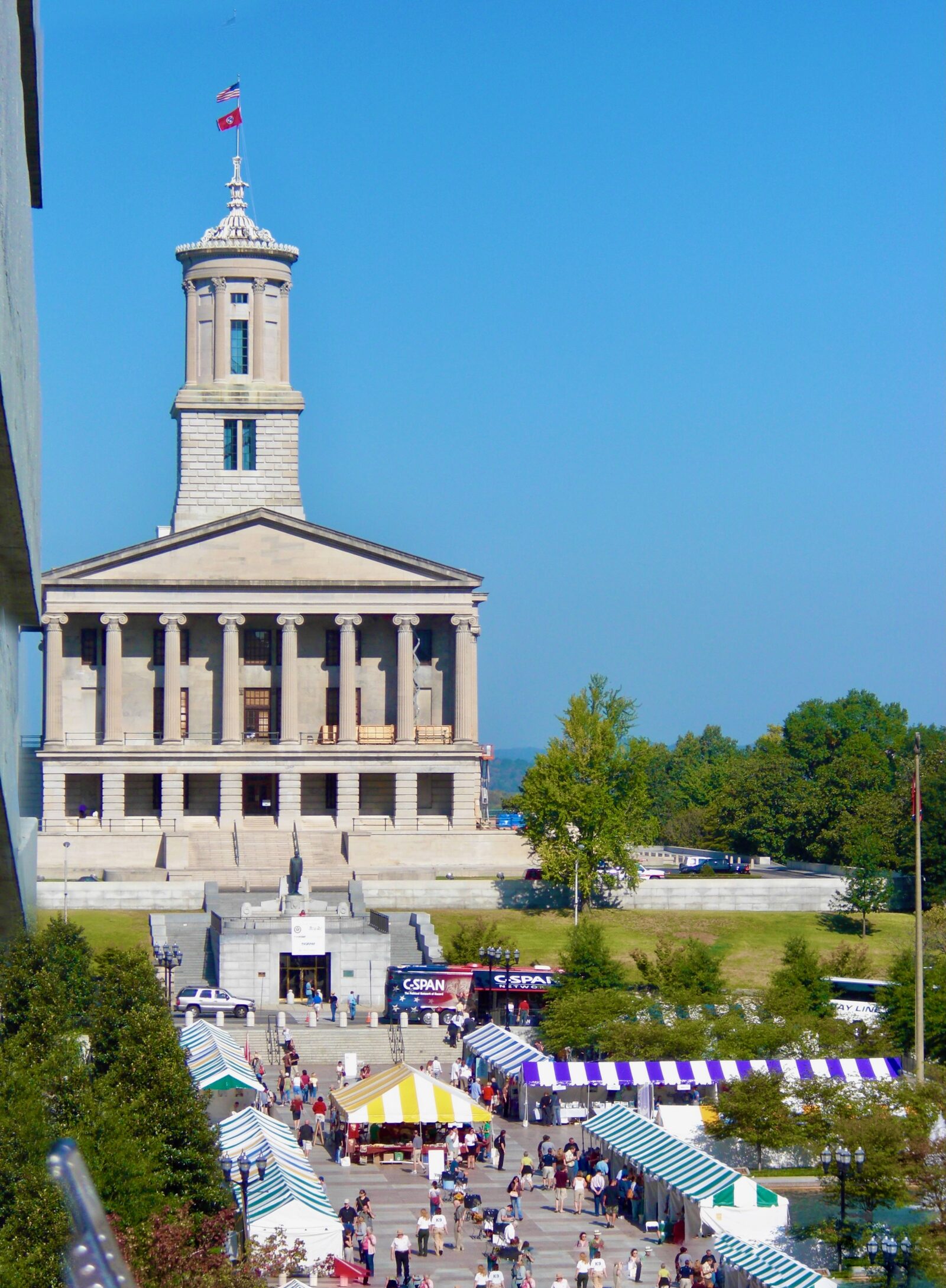
Tennessee State Capitol, Charlotte Avenue, Nashville
The Case That Gave Every American an Equal Vote
For sixty years, Tennessee's legislature refused to redraw its maps. A Nashville lawsuit forced the question all the way to the Supreme Court, and on March 26, 1962, the Court ruled that every American's vote must count equally. Chief Justice Warren later called it the most important case of his career — more important than Brown v. Board.
Read →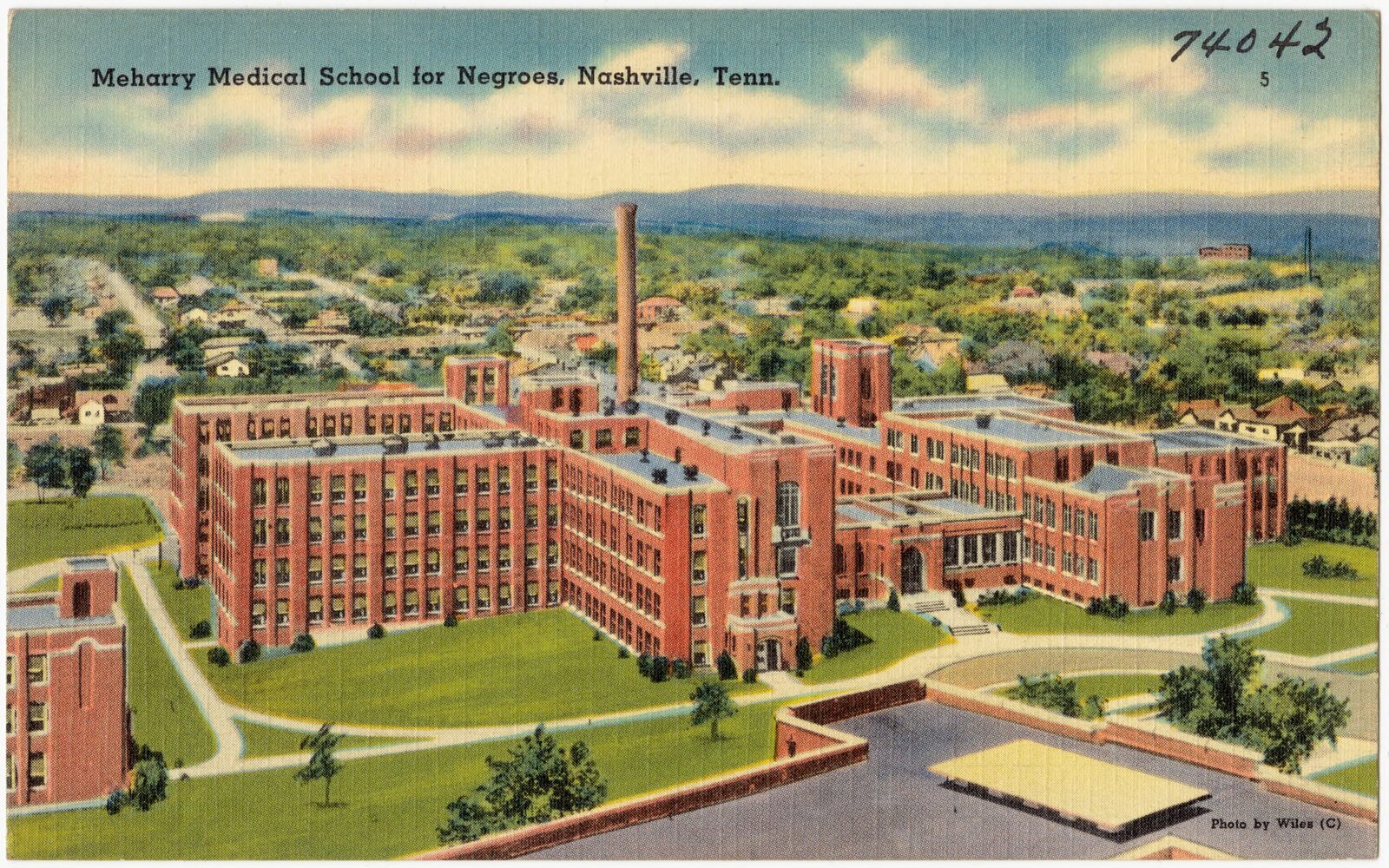
2012 Meharry Boulevard, Nashville
They Came for the Lawyer
At 5:30 in the morning, someone threw a bundle of dynamite at the home of Z. Alexander Looby — the lawyer defending Nashville's sit-in students. The blast blew 147 windows out of Meharry Medical College across the street. Looby and his wife survived. What happened next changed the South.
Read →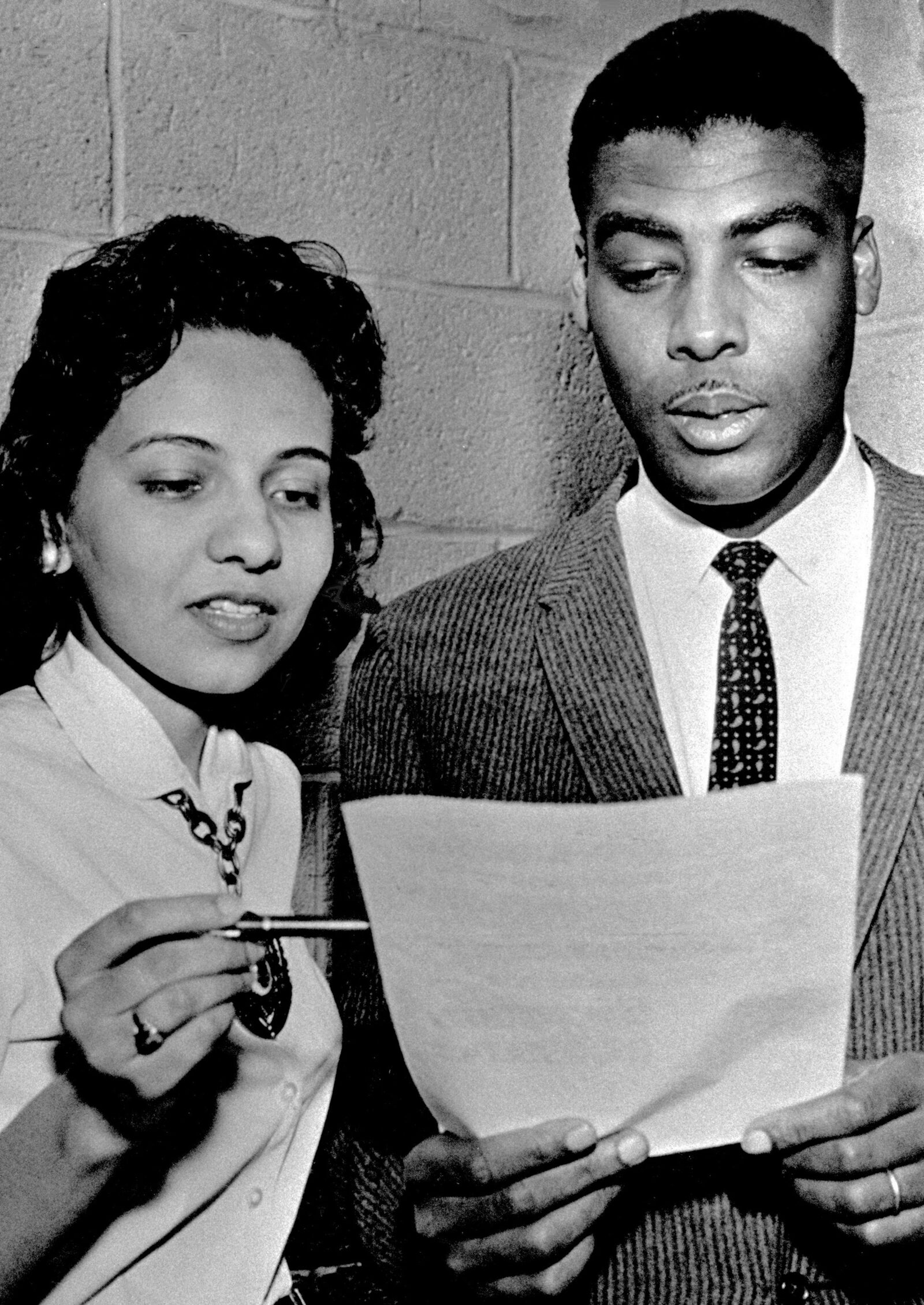
Davidson County Courthouse, Public Square, Nashville
Do You Feel It Is Wrong?
After three months of sit-ins, beatings, arrests, a boycott that emptied downtown, and a bomb that blew the front off a lawyer's house, three thousand people marched in silence to the courthouse steps. A twenty-two-year-old woman from Chicago asked the mayor of Nashville a simple question. His answer changed the South.
Read →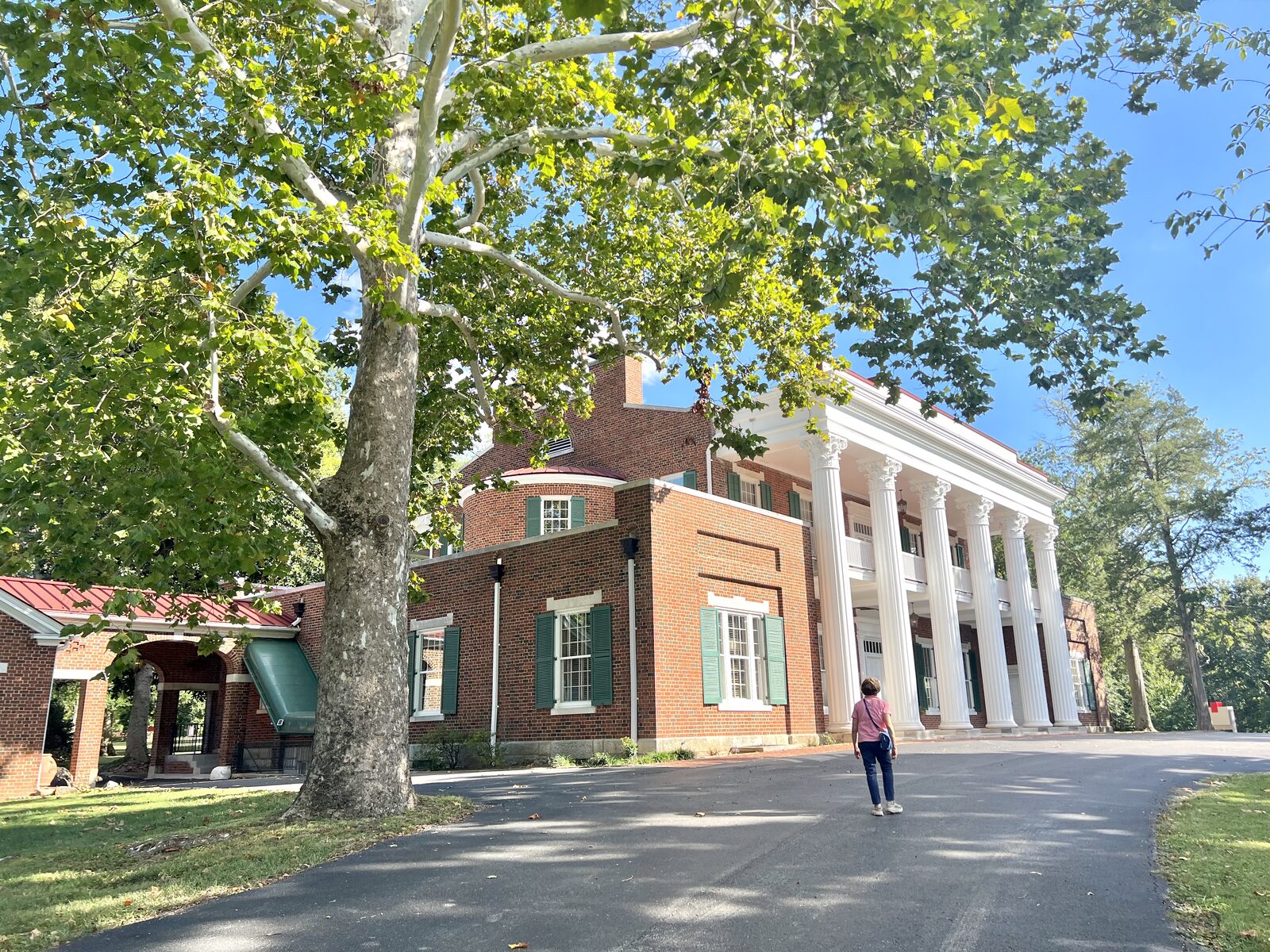
Brentwood Hall, Edmondson Pike
The State of Tennessee Takes Brentwood Hall
Twenty-seven years after his financial empire collapsed and nearly destroyed Tennessee's economy, Rogers Caldwell signed over his mansion to the state. It's now the Ellington Agricultural Center.
Read →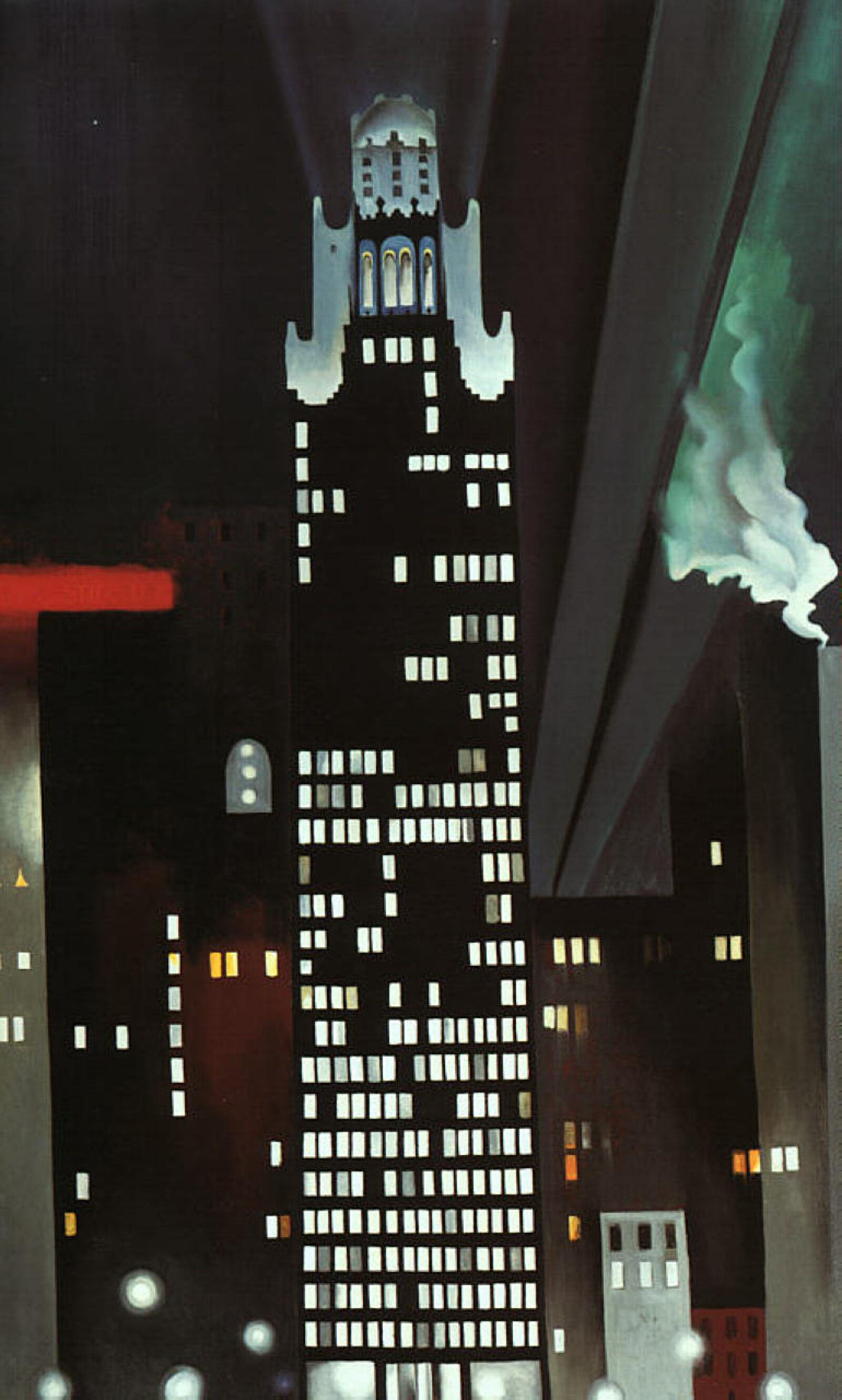
Carl Van Vechten Gallery, Fisk University, Nashville
The Gift on the Hill
On November 4, 1949, Georgia O'Keeffe walked into a converted gymnasium on the campus of a Black university in Nashville and gave it a Picasso, a Cézanne, a Renoir, and her own Radiator Building. One hundred and one works of modern art, donated to a school most of the art world had never visited. It is still there.
Read →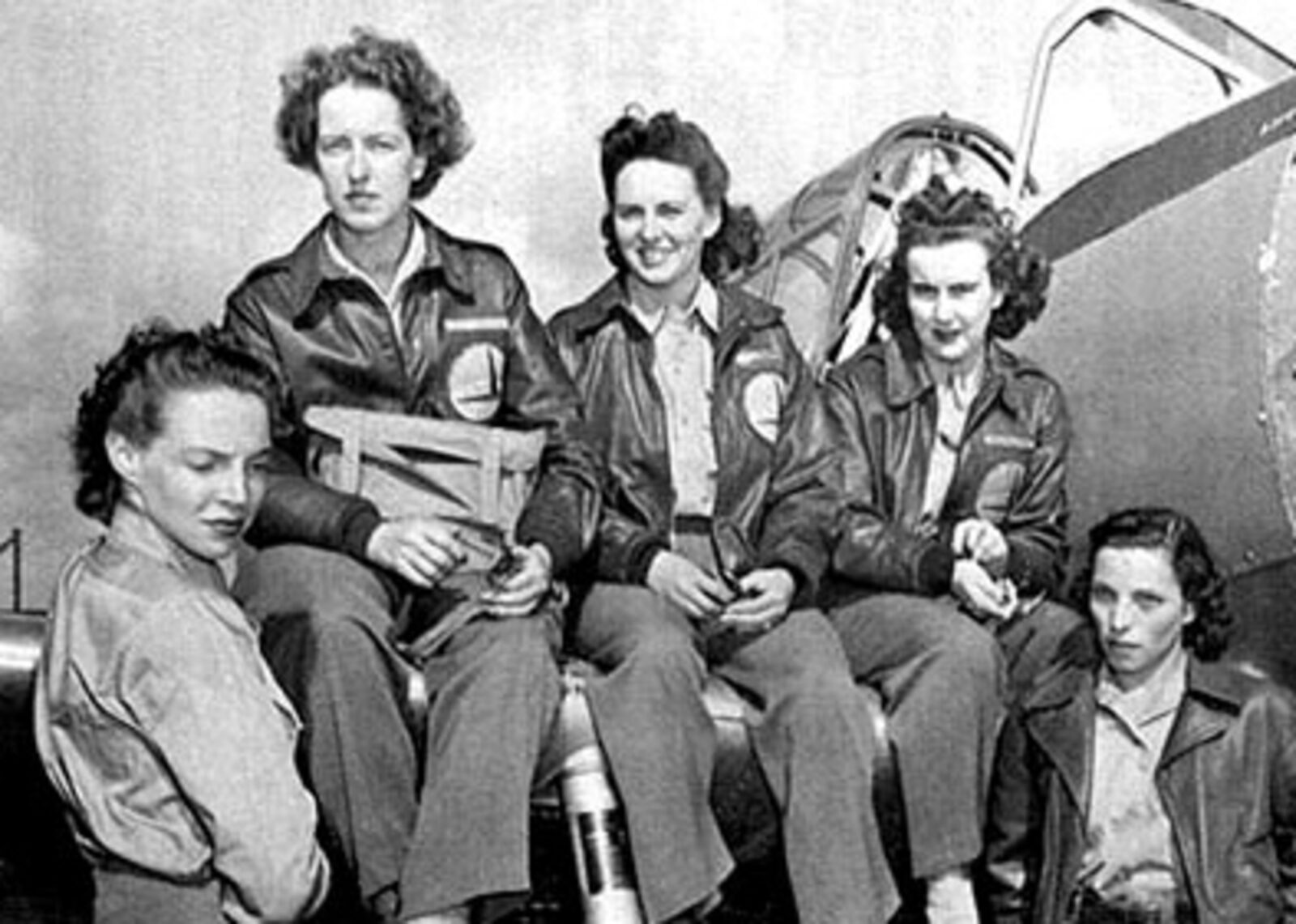
Near Merkel, Texas / Cornelia Fort Airpark, Nashville
The First to Fall
Six months after joining the Women's Auxiliary Ferrying Squadron, Cornelia Fort was killed when a male pilot flying reckless formation clipped her wing over Texas. She was twenty-four. She was the first female pilot in American history to die on active military duty. Her grave in Nashville reads: 'Killed in the Service of Her Country.'
Read →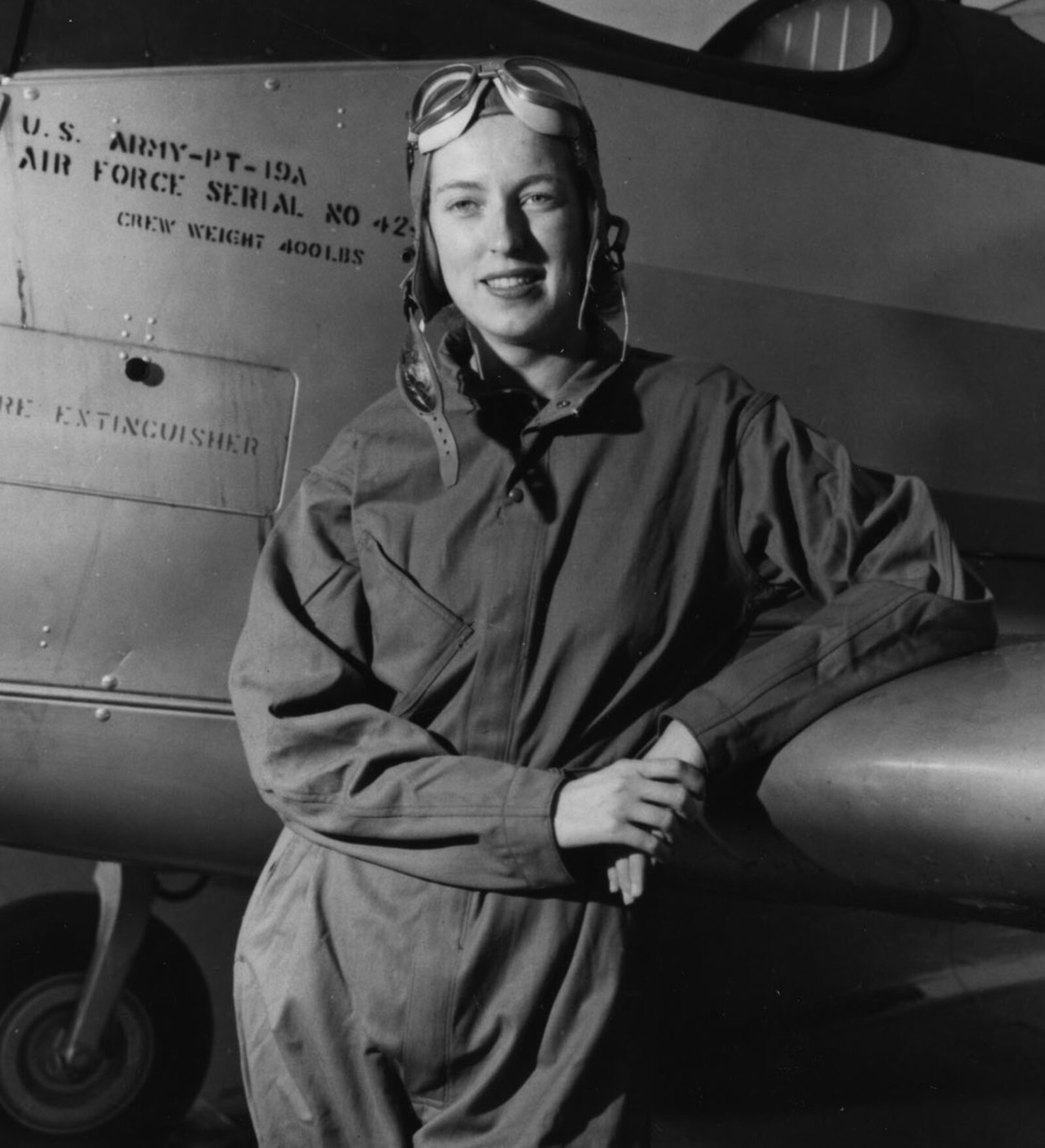
John Rodgers Airport, Honolulu / Cornelia Fort Airpark, Nashville
The Nashville Girl Who Saw It First
At 7:55 on a Sunday morning in Hawaii, a Nashville debutante was giving a flying lesson when a Japanese fighter nearly took her head off. She grabbed the controls, saw the Rising Sun on its wings, and watched a bomb fall into Pearl Harbor. She was one of the first Americans to see the attack, and she was already in the air.
Read →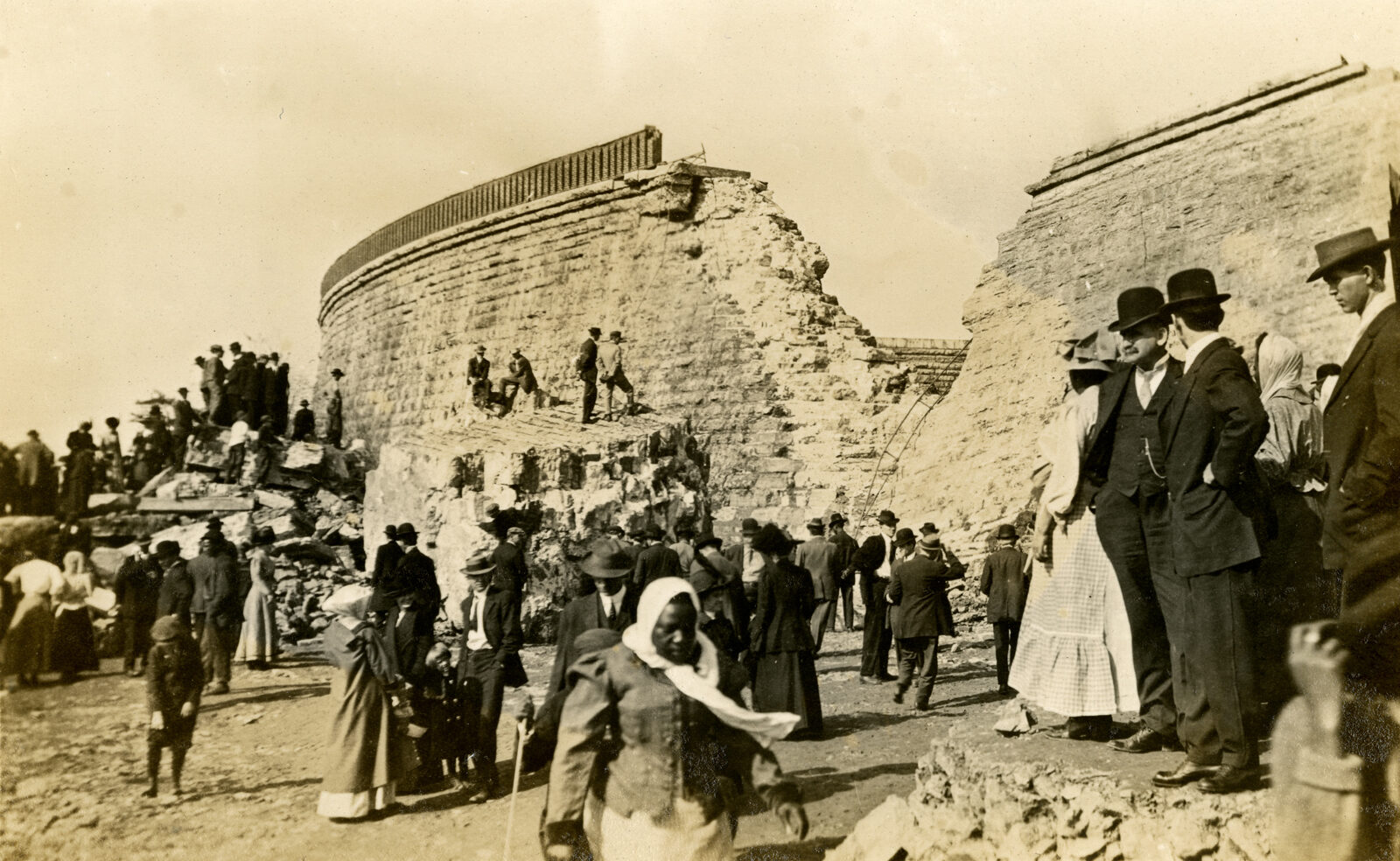
Eighth Avenue South Reservoir
The Collapse of the Nashville Reservoir
At 12:10 a.m., the southeast wall of the Eighth Avenue Reservoir gave way. Twenty-five million gallons of water poured down the hillside toward the State Fairgrounds. Nobody died.
Read →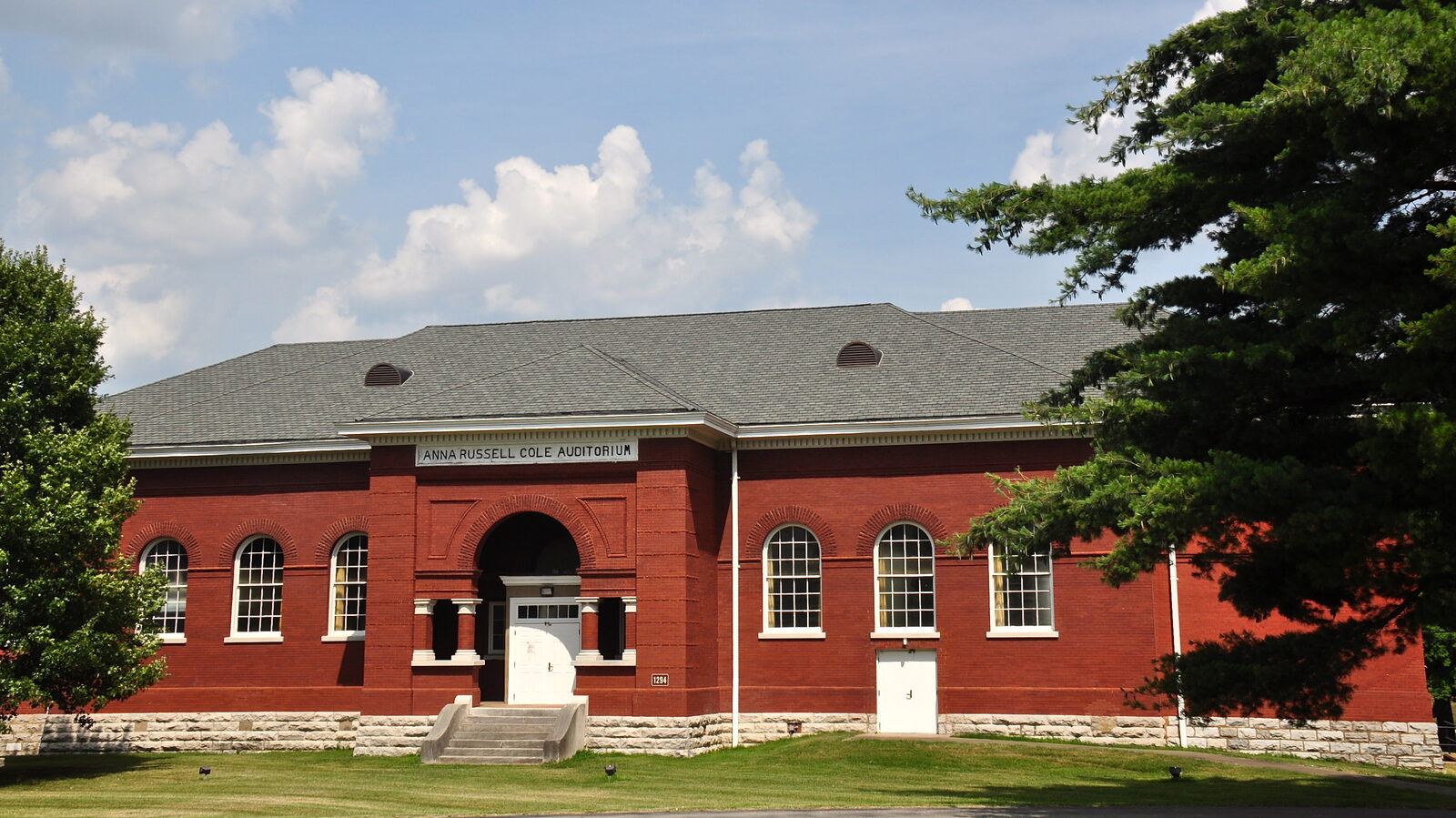
Murfreesboro Road
The Randall Cole Industrial School Opens on Murfreesboro Road
After a cholera epidemic orphaned hundreds of Nashville children, a judge spent twelve years building support for a school to take them in. A railroad tycoon named it after his dead son.
Read →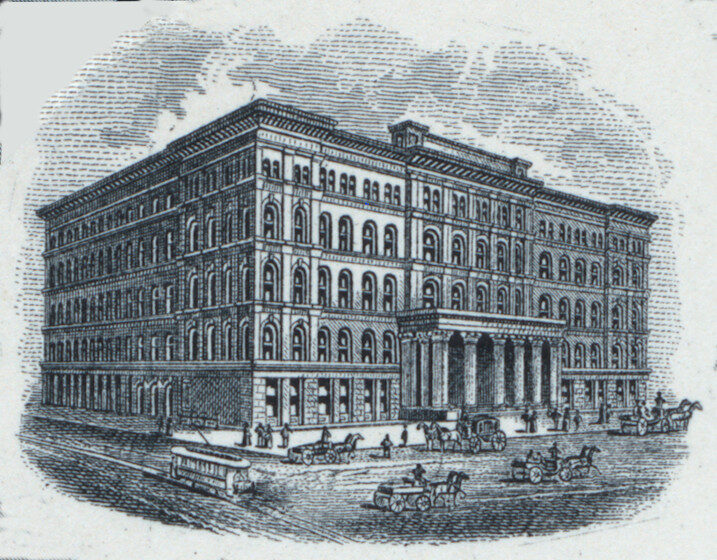
Maxwell House Hotel, Nashville
The Christmas Meat That Nashville Forgot
On Christmas Day, 1879, guests at the Maxwell House Hotel sat down to a holiday dinner featuring 'Hart and Hensley's Spice Round of Beef, en Sockle, Ornamented.' It was a dish unique to Nashville — born from German immigrant ingenuity, surplus beef, and a potato cellar. Within a generation, it would be shipped to Vienna. Within two, it would be nearly forgotten.
Read →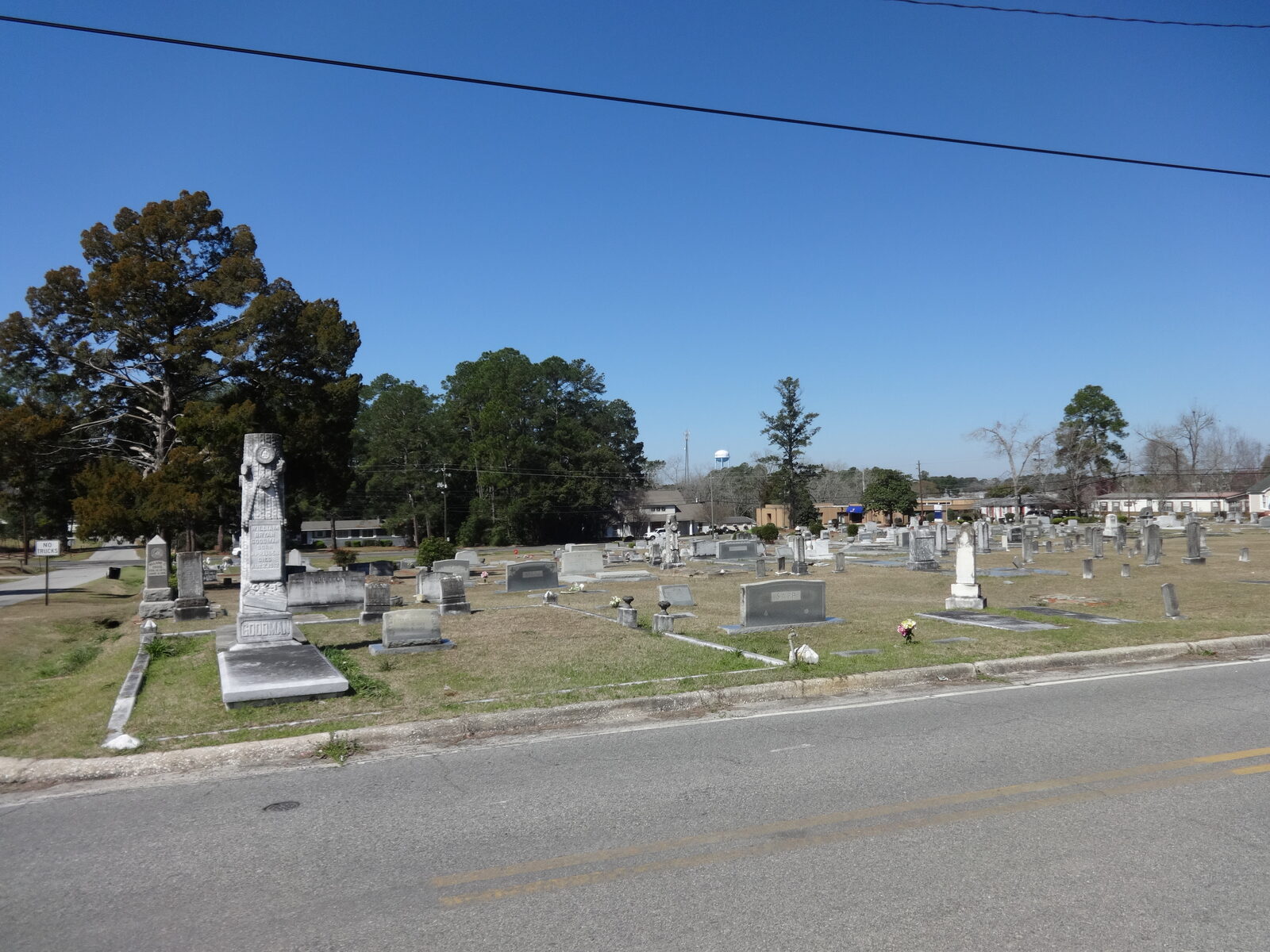
Nashville
Cholera Comes to Nashville
The cholera appeared in the city prison on May 6. By the end of summer, one in every twenty-five Nashvillians was dead. The epidemic orphaned hundreds of children and changed the city forever.
Read →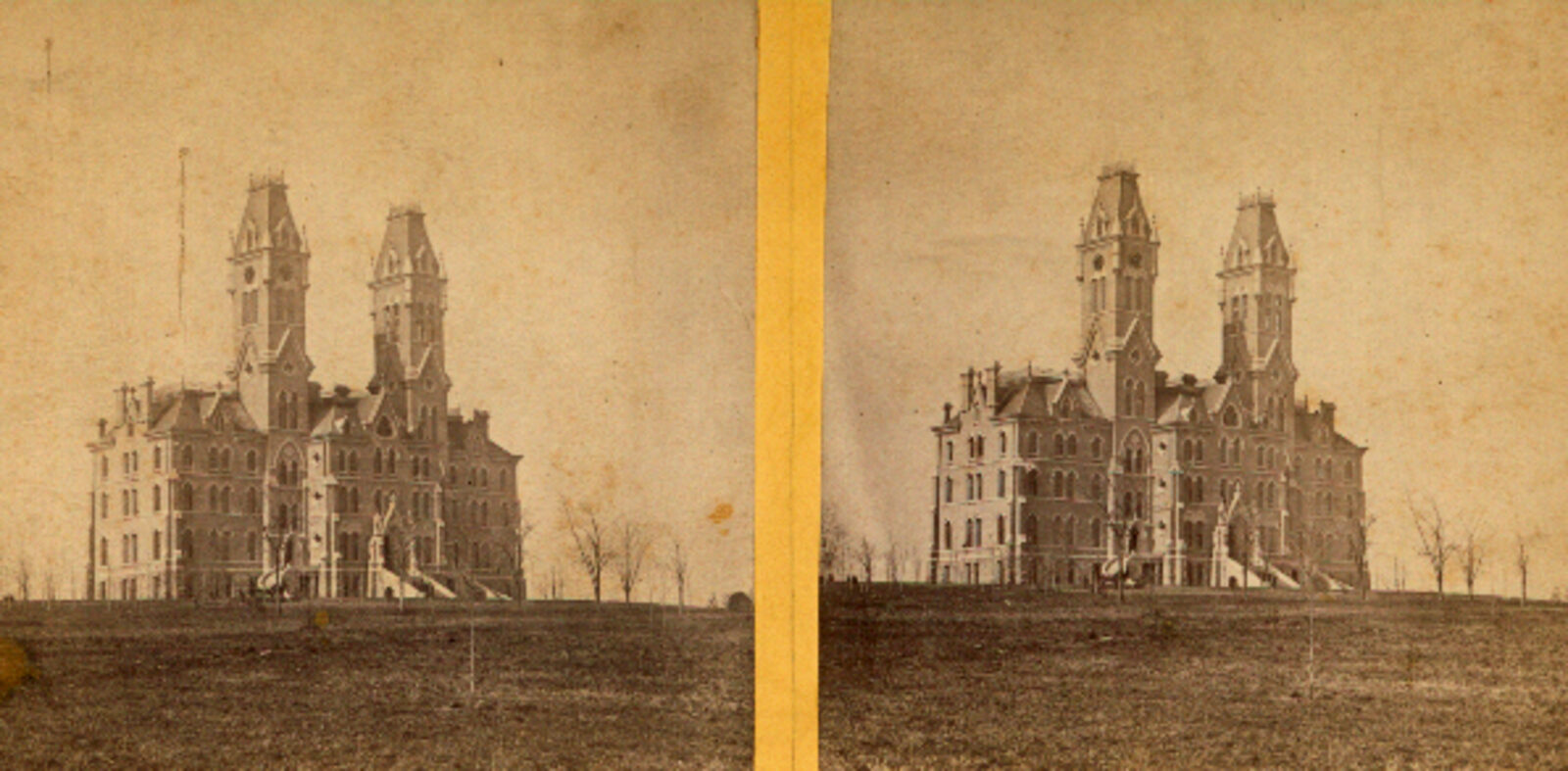
Vanderbilt University, West End Avenue, Nashville
The Bishop, the Commodore, and the Statue That Was Never Built
Cornelius Vanderbilt — the richest man in America — was going to build a statue of George Washington. Then a Methodist bishop from Nashville, recovering from illness in the Commodore's Manhattan mansion, talked him out of it. On March 17, 1873, Vanderbilt wrote a check for half a million dollars, and Nashville got a university instead of New York getting a monument.
Read →